Why Post-Surgical Physiotherapy Matters
- Prolonged stiffness and pain
- Muscle weakness and loss of mobility
- Poor movement patterns
- Delayed return to work or activity
- Increased risk of reinjury
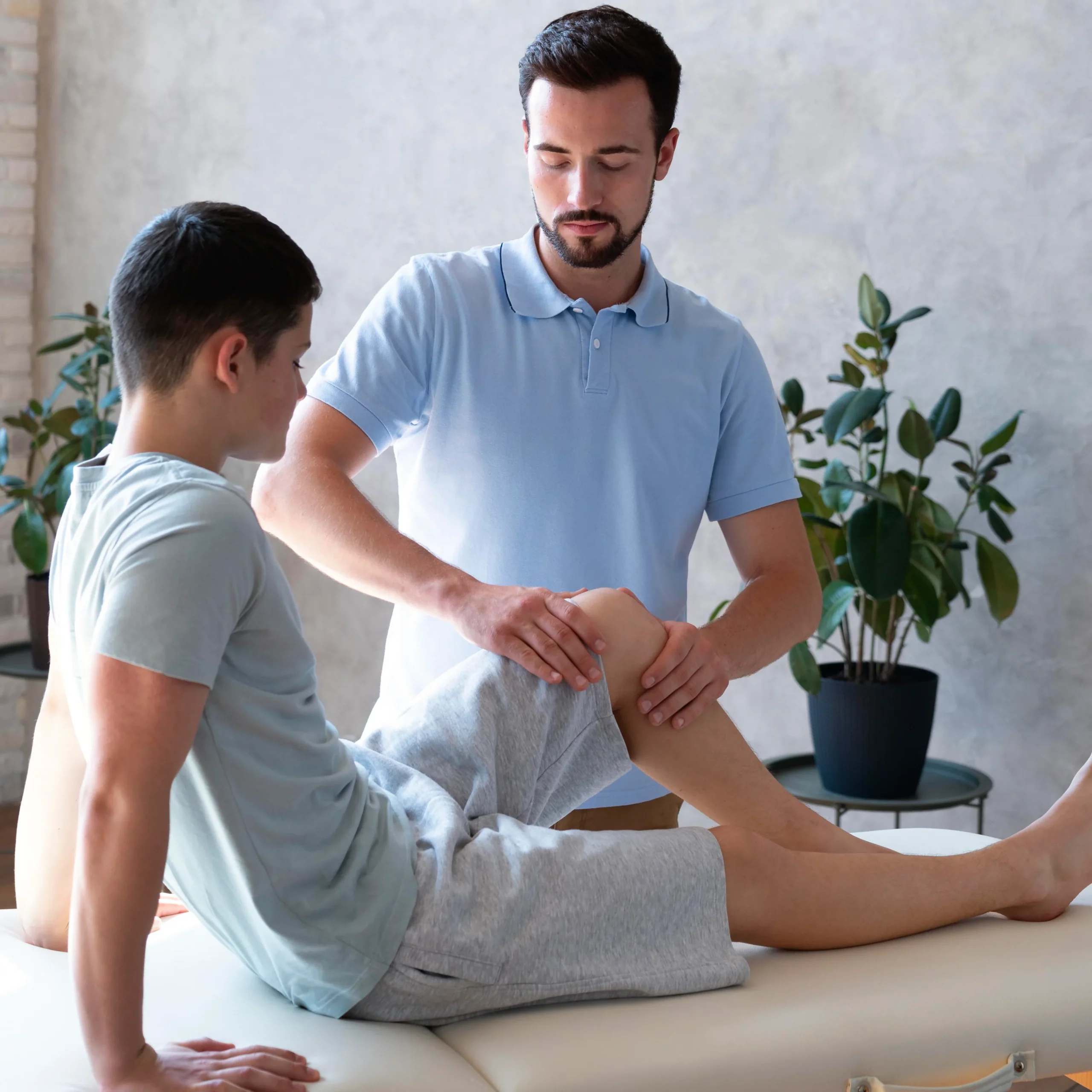
Physiotherapy helps ensure that healing tissue is guided correctly, strength is rebuilt safely, and function is restored progressively.
Common Surgeries We Support
We provide post-surgical physiotherapy for:
- Total knee and hip replacements
- ACL and meniscus repairs
- Rotator cuff and shoulder surgery
- Ankle and foot surgery
- Spinal surgeries (as appropriate)
- Fracture fixation
- Tendon and ligament repairs
- TMJ-related procedures
Each surgery has specific protocols, precautions, and recovery timelines — and we tailor your rehab accordingly.
Our Approach to Post-Surgical Rehab
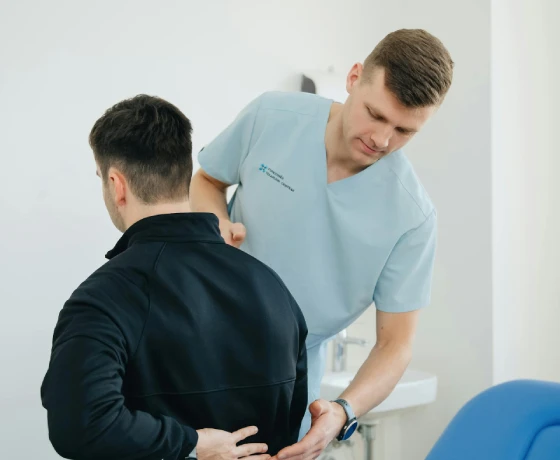
At Metronome Mobile Physiotherapy, your recovery begins with a comprehensive in-home assessment. We review your surgical report, restrictions, pain levels, and functional limitations.
Your rehabilitation program is then built around:
- Your surgical procedure
- Your current stage of healing
- Your mobility and strength levels
- Your lifestyle and goals
We progress you safely through the different phases of recovery — from early movement and swelling control to strengthening and return to normal activity.
Treatment May Include:
- Gentle mobility and range-of-motion exercises
- Pain and swelling management
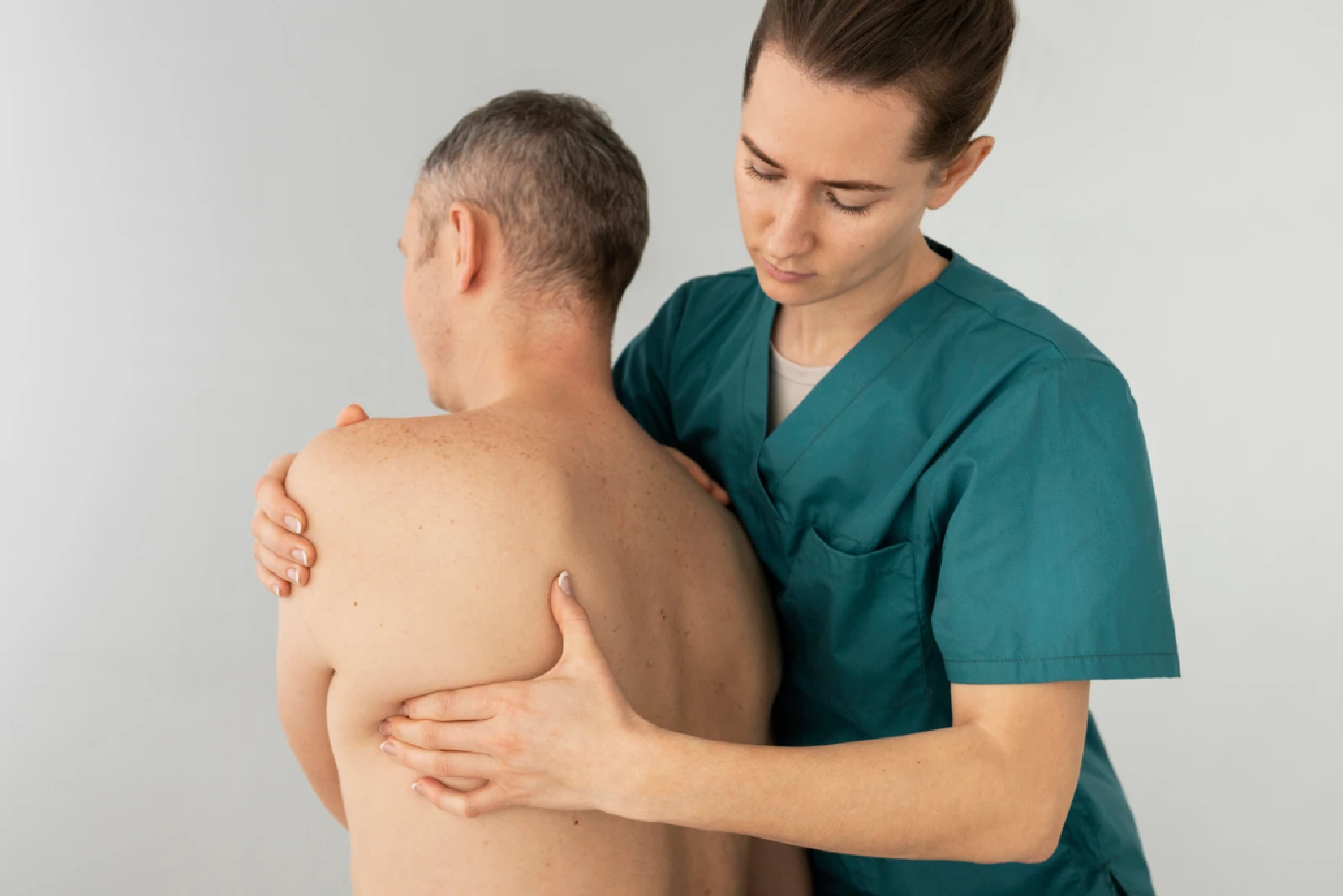
- Manual therapy (when appropriate)
- Progressive strengthening
- Gait and walking retraining
- Balance and coordination work
- Functional task practice (stairs, transfers, daily activities)
Everything is progressed gradually and safely, respecting tissue healing timelines.
The Power of In-Home Post-Surgical Care
After surgery, traveling to a clinic can be uncomfortable, exhausting, or even unsafe. Our mobile model removes that barrier.
We treat you in your own space, using:
- Your bed and chairs
- Your stairs and hallways
- Your bathroom setup
- Your real daily environment
This allows rehab to be realistic, practical, and immediately applicable to your life.
Reducing Complications & Promoting Confidence
Post-surgical rehab isn’t just about exercises — it’s about rebuilding trust in your body. Many patients feel anxious about moving after surgery or fear damaging the repaired tissue.
We focus on:
- Education and reassurance
- Safe movement exposure
- Gradual loading and progression
- Restoring confidence
- Preventing setbacks
This leads to smoother recovery and better long-term outcomes.
Why Choose Metronome for Post-Surgical Rehab?
What sets Metronome Mobile Physiotherapy apart is our combination of clinical expertise, mobility-focused care, and patient-centered approach.
We provide:
- One-on-one in-home sessions
- Experienced physiotherapists
- Personalized rehab programs
- Clear communication and guidance
- No clinic travel or wait times
- Real-life functional focus
We work closely with your surgeon’s recommendations while tailoring rehab to your specific needs.
Recover Where You’re Most Comfortable
Healing takes time — but the right support makes all the difference.
At Metronome Mobile Physiotherapy, we help you recover safely, rebuild strength, and return to daily life with confidence — all from the comfort of your home.
Rehabilitation typically begins very soon after surgery, sometimes within a few days, depending on your surgeon's instructions. Early mobility is crucial for preventing stiffness, reducing swelling, and preventing muscle atrophy. We recommend contacting us before your surgery to plan your care, or immediately afterward so we can begin guiding your recovery as soon as you are discharged.
Yes, absolutely. We strictly adhere to your surgeon’s specific protocols and restrictions to ensure your repair heals safely. We review your surgical report and discharge instructions during the initial assessment and can communicate directly with your surgical team if any clarifications are needed regarding weight-bearing status or range-of-motion limits.
For surgeries like total knee or hip replacements, traveling to a clinic can be exhausting, painful, and risky due to mobility limitations. In-home physiotherapy removes the need for travel. Furthermore, it allows us to practice essential daily tasks—like getting in and out of your bed, navigating your hallway, and using your bathroom—making your recovery safer and more practical.
Fear of movement (kinesiophobia) is very common after surgery. Our role is not just to give you exercises, but to help you rebuild trust in your body. We use gentle, graded exposure to movement, pain management strategies, and education to help you distinguish between "good pain" (healing) and "bad pain," ensuring you progress confidently without fear of reinjury.
We provide specialized rehabilitation for a wide range of orthopedic and musculoskeletal procedures. This includes total hip and knee replacements, ACL and meniscus repairs, rotator cuff surgeries, ankle fracture fixations, and spinal surgeries. We tailor the rehabilitation plan to the specific demands of each procedure and your personal recovery goals.
Get in touch with us
service timing ( Mon to Sat )
10 Am To 9 Pm